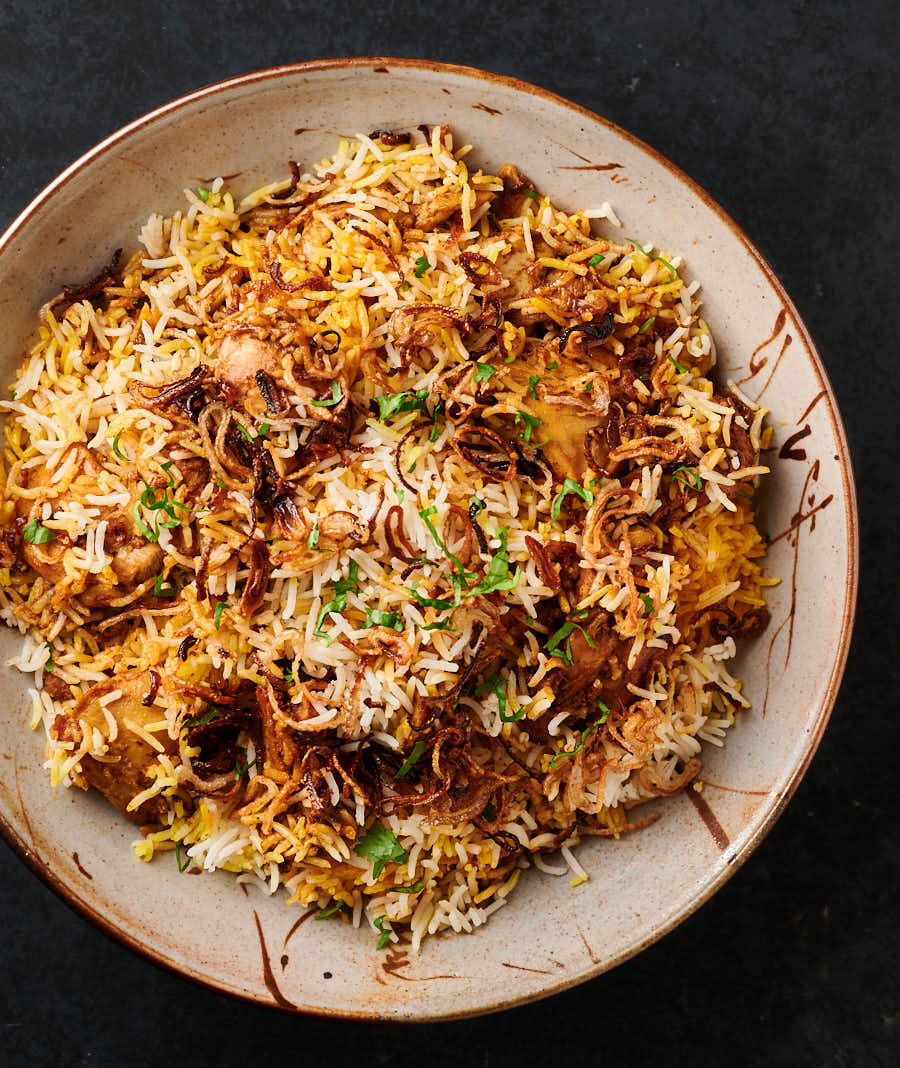
The aroma of perfectly cooked basmati rice, tender, succulent chicken, and a symphony of whole spices dancing together is unmistakable. This isn't just any biryani; it's the rich, fragrant, and layered delight that has captivated palates worldwide: chicken biryani Indian restaurant style. Far from a simple rice and chicken dish, a true restaurant-quality biryani is an elaborate culinary masterpiece, a testament to time-honored techniques and a deep understanding of flavor profiles. If you've ever dreamt of recreating that magic in your own kitchen, you're in the right place. This ultimate guide will demystify the process, helping you unlock the secrets to a truly unforgettable biryani.
Unlocking the Magic of Indian Restaurant Style Chicken Biryani
What sets Indian restaurant style chicken biryani apart from its home-style counterparts or other rice dishes? It's a combination of several factors, meticulously orchestrated to create a dish of unparalleled depth and complexity. First, there's the distinct flavor profile – a masterful blend of aromatic whole spices, fresh herbs like mint and cilantro, rich ghee, and the subtle floral notes of saffron and rose water. Then there's the texture: each grain of aged basmati rice separate, fluffy, and infused with flavor, juxtaposed against incredibly tender, fall-off-the-bone chicken.
The visual appeal is also crucial. A well-made restaurant biryani often features distinct layers of golden-fried onions (birista), vibrant green herbs, and the contrasting colors of saffron-infused rice and spiced chicken. It’s a dish that engages all senses, a true celebration of Indian cuisine. Achieving this standard requires attention to detail, quality ingredients, and an understanding of the traditional dum cooking method, which is at the heart of its unique character.
Essential Ingredients for Authentic Flavor
The journey to an authentic chicken biryani Indian restaurant style begins with selecting the right ingredients. Compromising on quality here will inevitably impact the final result. Here are the non-negotiables:
- Aged Basmati Rice: This is the soul of your biryani. Opt for long-grain, aged basmati rice for its distinct aroma, fluffy texture, and ability to absorb flavors without becoming sticky. Soaking the rice properly is a critical first step.
- Bone-in Chicken: Bone-in chicken pieces (preferably a mix of drumsticks and thighs) lend a richer flavor and stay moister during the slow cooking process. Marinating the chicken thoroughly is key to tender, flavorful meat.
- Yogurt: Full-fat plain yogurt forms the base of the marinade, tenderizing the chicken and adding a pleasant tang.
- Ghee (Clarified Butter): Ghee provides a rich, nutty flavor that cannot be replicated by oil. Use it generously for frying onions and layering.
- Aromatic Whole Spices: This is where the magic happens. Stock up on green cardamom pods, black cardamom, cinnamon sticks, cloves, bay leaves, star anise, and mace. These are gently tempered to release their potent aromas.
- Ground Spices: A balanced mix of red chili powder, turmeric, coriander powder, cumin powder, and a good quality garam masala is essential.
- Fresh Herbs: A generous amount of fresh mint leaves and cilantro (coriander leaves) adds unparalleled freshness and brightness.
- Fried Onions (Birista): Thinly sliced, deeply caramelized onions are a non-negotiable component, adding sweetness, depth, and a beautiful golden color. Making birista perfectly takes patience but is incredibly rewarding.
- Saffron: A pinch of saffron steeped in warm milk adds an exquisite aroma and a beautiful golden hue to parts of the rice.
- Rose Water or Kewra Water: A few drops of these floral essences provide a signature restaurant-style fragrance.
The Art of Layering and the Dum Cooking Technique
The distinctive character of chicken biryani Indian restaurant style comes from its unique preparation method, which primarily involves two crucial stages: layering and dum cooking. These steps are what infuse every grain of rice and piece of chicken with incredible flavor and aroma.
Mastering the Layering
Layering is not just about aesthetics; it's about building flavor harmony. The process typically involves:
- The Base: A layer of marinated chicken, often partially cooked, forms the foundation at the bottom of a heavy-bottomed pot. This allows the chicken to cook slowly and release its juices, which then permeate the layers above.
- Rice Layers: Par-cooked basmati rice (cooked to about 70% done) is spread over the chicken. This ensures the rice finishes cooking in the fragrant steam and chicken juices, absorbing all the wonderful flavors.
- Aromatic Additions: Between and on top of the rice layers, you'll sprinkle generous amounts of golden-fried onions (birista), chopped fresh mint and cilantro, a drizzle of ghee, and the saffron milk solution. Some recipes also include green chilies for a subtle kick.
This layering ensures that each component contributes its essence, and as the biryani cooks, the flavors meld beautifully, creating a multi-dimensional taste experience. For more on achieving authentic taste, consider exploring the Secrets to Authentic Indian Restaurant Chicken Biryani.
The Dum Cooking Technique
The "dum" method is where the biryani truly transforms. Originating from the Mughal era, it refers to slow cooking in a sealed pot. The word 'dum' itself means 'to breathe in', referring to how the ingredients breathe in the steam and flavors within the sealed environment. Here’s why it’s vital:
- Even Cooking: The sealed environment creates uniform heat and steam, ensuring the rice cooks perfectly without burning and the chicken becomes incredibly tender.
- Flavor Infusion: The aromas from the spices, herbs, and chicken juices are trapped within the pot, allowing them to thoroughly infuse every component of the biryani. This is what gives restaurant biryani its deeply aromatic quality.
- Moisture Retention: Sealing the pot prevents moisture loss, resulting in succulent chicken and fluffy, separate rice grains.
To execute dum cooking, the pot is typically sealed with dough or a tightly fitting lid, and then cooked on low heat, often with hot coals placed on the lid in traditional methods, to provide heat from both top and bottom. At home, you can achieve this by placing a heavy weight on the lid or sealing it with aluminum foil and then placing it on a stovetop with a heat diffuser, or even finishing it in a low oven.
Your Step-by-Step Guide to Perfect Chicken Biryani
Recreating the magic of chicken biryani Indian restaurant style at home is an achievable feat with patience and proper technique. Follow this guide for a truly delicious experience:
1. Prepare Your Ingredients: The Foundation
- Rice: Wash 2 cups of aged basmati rice thoroughly until the water runs clear. Soak in water for 30 minutes, then drain.
- Chicken Marinade: In a large bowl, combine 1.5 lbs bone-in chicken pieces with 1 cup thick plain yogurt, 1 tbsp ginger-garlic paste, 1 tsp red chili powder, 1/2 tsp turmeric powder, 1 tsp coriander powder, 1/2 tsp cumin powder, 1 tsp garam masala, salt to taste, 1/4 cup chopped mint, 1/4 cup chopped cilantro, and 2 tbsp lemon juice. Mix well and marinate for at least 2 hours, or preferably overnight in the refrigerator.
- Birista (Fried Onions): Thinly slice 3 large onions. Heat 1/2 cup ghee or oil in a heavy-bottomed pan and fry the onions over medium-low heat until uniformly golden brown and crispy. This takes time, so be patient. Remove with a slotted spoon and drain on paper towels.
- Saffron Milk: Steep a pinch of saffron strands in 1/4 cup warm milk for at least 15 minutes. Add a few drops of rose water or kewra water if using.
2. Par-Cook the Rice
Bring a large pot of water to a rolling boil. Add 2 tsp salt, 2 bay leaves, 4 green cardamom pods, 2 cinnamon sticks, and 4 cloves. Add the drained basmati rice and cook for 5-7 minutes, or until it's about 70% cooked (the grain should be firm but bendable). Drain immediately and spread on a large tray to cool slightly and stop further cooking.
3. Assemble the Biryani Layers
Use a heavy-bottomed pot (a Dutch oven or deep non-stick pot works well) for layering.
- Spread half of the marinated chicken at the bottom of the pot.
- Sprinkle with a handful of birista, fresh mint, and cilantro.
- Gently spread half of the par-cooked rice over the chicken layer.
- Drizzle with a tablespoon of ghee, some saffron milk, and another handful of birista, mint, and cilantro.
- Repeat the layers with the remaining chicken, then rice, finishing with the remaining birista, mint, cilantro, ghee, and saffron milk.
4. The Dum Cooking Process
Seal the pot tightly. You can do this by:
- Using a tightly fitting lid and placing a heavy object on top.
- Sealing the edges with aluminum foil before placing the lid.
- Making a dough from flour and water and sealing the lid onto the pot with it.
Place the sealed pot on a high flame for 5-7 minutes until steam starts to escape or you hear sizzling. Then, reduce the heat to the lowest possible setting and cook for 25-30 minutes. If you have a heat diffuser, use it. Alternatively, place the pot in a preheated oven at 350°F (175°C) for 25-30 minutes.
5. Rest and Serve
Once cooking is complete, turn off the heat but do NOT open the lid immediately. Let the biryani rest, undisturbed, for at least 15-20 minutes. This allows the flavors to settle and the rice grains to firm up. Gently fluff the biryani with a fork, mixing the layers only slightly to get a bit of chicken and rice in each serving. Serve hot with raita (yogurt dip) and a side of salan (gravy).
Tips for Achieving Restaurant-Quality Excellence
- Marination Time: Don't skimp on marination. The longer the chicken marinates, the more tender and flavorful it will be. Overnight is ideal.
- Perfect Birista: Slice onions thinly and fry them slowly until deep golden brown. Overcrowding the pan will steam the onions instead of frying them.
- Rice Hydration: Soaking basmati rice for 30 minutes is crucial for elongated grains and fluffy texture. Don't overcook the rice during par-boiling; it will finish cooking on dum.
- Heavy-Bottomed Pot: Use a heavy-bottomed vessel to prevent burning at the bottom during dum cooking.
- Seal is Key: A tight seal is paramount for proper dum cooking. This traps the steam and flavors effectively.
- Resting Period: The resting period post-dum is as important as the cooking itself. It allows the steam to redistribute and flavors to fully meld.
- Gentle Mixing: When serving, use a gentle hand to mix the biryani from the bottom up. You want to preserve the distinct layers and not mash the rice.
Mastering the art of chicken biryani Indian restaurant style is a truly rewarding culinary journey. From selecting the finest ingredients to patiently executing the layering and dum cooking, each step contributes to a symphony of flavors and textures that tantalizes the senses. With this comprehensive guide and a dash of passion, you are now equipped to create a biryani that will impress even the most discerning palates, bringing the authentic taste of an Indian restaurant right into your home kitchen. So gather your ingredients, follow these steps, and prepare to embark on a delicious adventure!
